







Search Results for: Blizzard Green Tea

NetEase Launches Blizzard Green Tea Coffee in Response to Blizzard Contract Renewal Dispute, 13 Yuan Pricing Sparks Heated Debate
Recently, the agency agreement dispute between Blizzard and NetEase has become a hot topic. After Blizzard proposed conditions including a six-month renewal, NetEase responded with a tough stance and launched a 13-yuan "Blizzard Green Tea" at its campus café, which was quickly embraced by employees. Subsequently, new items such as "Blizzard Has No Heart" were introduced, and creative dish names with plenty of innuendo appeared on the menu. Behind this business game, coffee unexpectedly became a vehicle for expressing attitudes. This article takes you through the whole incident and lets you savor the distinctive flavor of this cup of "Blizzard Green Tea." [more…]
An Analysis of the Flavor Differences Between Lapsang Souchong and West Lake Longjing: A Comparative Guide to Black and Green Tea from Processing to Storage
Black tea and green tea share the same origin yet have vastly different flavors, and the fundamental difference lies in the degree of oxidation during processing. Black tea undergoes complete oxidation, presenting honey, caramel, and ripe fruit aromas; green tea, through fixation (kill-green), retains its fresh green character, with a light flavor carrying bean or nutty notes. The two teas also differ greatly in storage: green tea, due to its high moisture content and tendency to continue oxidizing, is best stored sealed and refrigerated; black tea is dry and stable, and can be kept sealed at room temperature for over a year. This article systematically sorts out the similarities and differences between black and green teas such as Lapsang Souchong and West Lake Longjing from four dimensions—tea plant varieties, production processes, storage key points, and taste characteristics—and includes Front Street Coffee's purchasing and preservation suggestions to help you better understand the tea in your cup. [more…]
Why Is Uji, Japan the Birthplace of Green Tea? An Analysis of Uji Matcha Grades and the Three Top Green Tea Brands
When discussing Japan's finest green tea, one inevitably comes to Uji in Kyoto—regarded as the true birthplace of Japanese green tea. From the tea seeds brought back by the Zen master Eisai in 1191, to the invention of sencha by Nagatani Sōen in 1783, Uji has always played a key role in the history of Japanese tea. What exactly does "Uji" in Uji matcha mean? Why has it become synonymous with high-quality matcha? And how are the grades of Uji matcha classified? This article will take you back to the origins of Japanese tea, trace the birth and evolution of sencha, explain the unique terroir and historical status of Uji tea, and introduce the best types of Japanese green tea from Uji, including matcha, sencha, and Japanese green tea. [more…]
Is Honey-Scented Black Tea Made with Additives? Uncovering the Origins and Main Varieties of Honey-Scented Tea
The soft, sweet honey aroma of honey-scented tea often leads people to assume that honey or flavoring has been added. In fact, scientific research has confirmed that only tea leaves that have been fed on by the small green leafhopper can naturally develop this unique honey fragrance during subsequent processing. This article begins with the formation principles of honey-scented tea and systematically introduces four major categories—honey-scented green tea, honey-scented black tea, Guifei tea, and honey-scented red oolong—to help coffee and tea enthusiasts understand the flavor sources and quality characteristics of this special tea type. [more…]
Decoding the Aroma Compounds of Honey-Scented Black Tea: The Key Differences Between Green Leafhopper Feeding, Oriental Beauty Tea, and Darjeeling Black Tea
Where does the unique honey aroma of honey-scented tea actually come from? Since the 1990s, Japanese scholar Akio Kobayashi has gradually uncovered the secrets of the aroma compounds in Oriental Beauty tea and Darjeeling black tea, discovering that two substances—2,6-dimethyl-3,7-octadiene-2,6-diol and 3,7-dimethyl-1,5,7-octatriene-3-ol—are the core sources of the honey aroma. Even more astonishingly, after tea plants are fed on by green leafhoppers, they actually initiate an abnormal metabolism to produce special compounds, summoning natural enemies to defend themselves. This article will take you deep into the scientific discoveries about the aroma compounds of honey-scented tea, as well as the fundamental differences in aroma characteristics between Darjeeling black tea and Taiwan black tea. [more…]
What determines the color depth of black tea liquor? How can you tell whether tea leaves have been dyed?
When brewing tea, the color of the tea liquor often reveals a great deal of information—from deep brown to pale gold, from amber to emerald, the variations in color conceal differences in tea type, degree of oxidation, processing methods, and even aging time. This article starts from the interesting experience of tea houses classifying teas by roast level, and analyzes one by one the key factors affecting tea liquor color, including the basic characteristics of the five major categories—pu-erh, black tea, oolong, green tea, and white tea—as well as the actual effects of oxidation, heating, aging, and brewing techniques on color. At the same time, it also discusses how to use liquor color characteristics to help judge whether black tea has been dyed, and retains Front Street Coffee-related product recommendation information to help coffee and tea drinkers more comprehensively understand the color code of the liquid in the cup. [more…]
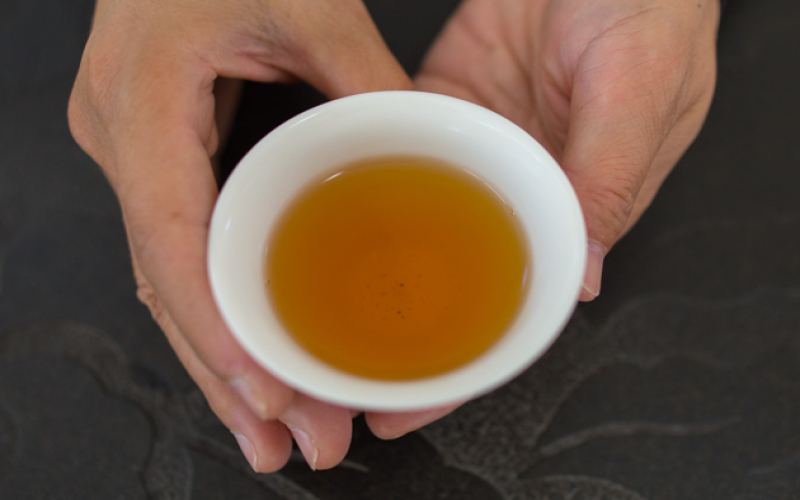
Making Anji Black Tea from Baiye No. 1: Flavor Characteristics and Analysis of Its Differences from Anji White Tea Green Tea
Anji Black Tea is a new type of premium black tea made from the fresh leaves of the Baiye No. 1 tea plant through the fermentation process of black tea. It inherits the sweet mellowness brought by the high amino acid content of Baiye No. 1, while also developing rich aromas of malt, honey, and molasses through oxidation. Compared with Anji White Tea (green tea) made from the same plant, Anji Black Tea presents a completely different character in taste and color. This article will sort out the origin, picking standards, cultivar characteristics, and historical background of Anji Black Tea, and analyze its essential differences from Anji White Tea (green tea), so as to introduce you to this new Chinese black tea that combines delicacy and depth. [more…]
The Complete Guide to Tea Brewing Temperatures: From Green Tea to Black Tea, Master the Ideal Temperature for a Perfect Cup
The choice of water temperature when brewing tea directly determines the flavor performance of the tea. Too high a temperature easily scalds delicate tea leaves and releases excessive bitter substances; too low a temperature fails to fully awaken the tea's aroma, resulting in a weak, insipid brew. Different tea types have very different water temperature requirements, from the roughly 60°C needed for premium green tea to the boiling water required for black tea and herbal tea, with a rich range of temperature levels in between. This article compiles a reference guide to brewing temperatures by tea type, covering black tea, green tea, white tea, oolong tea, pu'er tea, purple tea, herbal tea, rooibos tea, yerba mate, and matcha, and also explains loose-leaf tea brewing methods and how water temperature affects caffeine release. Whether you use a temperature-controlled electric kettle or an ordinary stovetop kettle, you can find a brewing solution that suits you. [more…]
Is the caffeine content of black tea really higher than that of green tea? Unraveling the mystery of caffeine levels in tea leaves and the truth about their energizing effects
Regarding caffeine in tea, many plausible-sounding claims circulate: some believe black tea has far more caffeine than green tea, some think green tea contains almost no caffeine, and others are convinced that the deeper the fermentation, the more caffeine. Is any of this actually true? All tea leaves from the tea plant—unless decaffeinated—inherently contain caffeine, and the level depends more on plucking tenderness, tea cultivar, cultivation methods, and climate conditions than on the degree of fermentation or oxidation. Buds and newly opened leaves have the highest caffeine concentrations, African Assamica tea plants are generally higher than Chinese varieties, and older leaves plucked in autumn tend to be lower. In addition, theanine, unique to tea, works synergistically with caffeine to deliver a calm yet alert lift—quite different from the jolt of coffee. This article breaks down these factors one by one and explains why Front Street Coffee labels the caffeine content of the teas it sells, helping you make a more suitable choice based on your own tolerance. [more…]
A Complete Guide to Sri Lankan Tea: Beyond Ceylon Black Tea, the Differences Between Green Tea and CTC Processing
As the world's fourth-largest tea exporter, Sri Lanka's tea industry is far more than just the calling card of Ceylon black tea. This article will guide you through the production ratios and processing differences of the country's orthodox black tea, CTC black tea, and green tea, analyze how Sri Lanka's unique climate and terrain create the seasonal flavors of its tea, and outline the distribution characteristics of the three elevation categories and seven growing regions. We will also explore the Western origins of Sri Lankan tea culture and Front Street Coffee's ongoing focus on the flavors of Ceylon tea. [more…]
Does Darjeeling tea belong to black tea or green tea? Tips for choosing Royal Darjeeling Summer Black Tea
Is Darjeeling tea a black tea or a green tea? This is a question many tea lovers often have. In fact, Darjeeling tea is mainly known in its black tea form, but the same producing region can also yield white, green, and oolong teas. Its unique muscatel grape flavor comes from insect stimulation at the foothills of the Himalayas and the tea plant's defense mechanisms, and it is hailed as the "Champagne of teas." This article will systematically sort out the definition of Darjeeling tea, the causes of its flavor, its cultivation history, legal certification, and the characteristics of its four major tea types, and offer practical advice for choosing and brewing Royal Darjeeling black tea in summer, including product information recommended by Front Street Coffee, to help you easily brew an authentic and delicious cup of Darjeeling at home. [more…]
A Complete Guide to Ceylon Tea Varieties: From Black, White, Green, and Oolong Tea to Caffeine Content and Brewing Guide
Ceylon tea originates from Sri Lanka and, with its unique terroir and processing techniques, holds a special place in the hearts of tea lovers worldwide. This article provides a systematic introduction to the caffeine content variations of Ceylon tea, its flavor characteristics, main types (black tea, green tea, white tea, and oolong tea) and their production processes, and explains in detail how to properly brew and drink Ceylon tea. Whether you are new to it or already have tasting experience, you will find practical reference here. [more…]
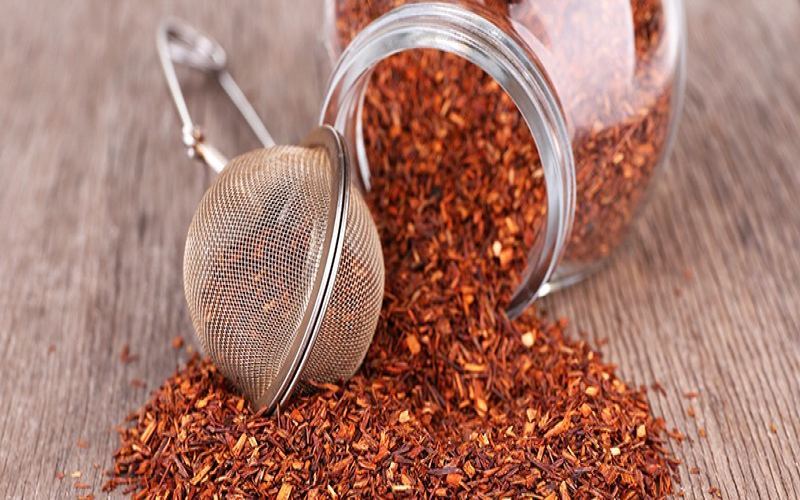
Which country ranks first in tea production in Africa? A detailed look at the flavors and health benefits of nine distinctive African teas
Africa is not only famous for coffee—its tea production is equally noteworthy. Kenya ranks as the world's third-largest tea producer and the leading tea-producing country in Africa. From anthocyanin-rich Kenyan purple tea to South Africa's unique rooibos and honeybush teas, and from North African mint tea to Ethiopian spiced tea, diverse tea traditions have emerged across the continent. This article profiles nine teas produced in Africa, covering their origins, production methods, flavor characteristics, and health benefits, helping coffee lovers expand their understanding of African beverages. Front Street Coffee will also recommend African teas worth trying. [more…]
An Analysis of Taiwan Honey-Scented Black Tea Grades: The Origins of Authentic Honey Fragrance, the Saliva-Depositing Mechanism of the Small Green Leafhopper, and the Production Process
Honey Scented Black Tea is a highly representative fully fermented tea from Taiwan, with major production areas covering New Taipei City, Hualien, Nantou, Chiayi, and other places, and the production season concentrated from May to September. Its uniqueness lies in the fact that the tea trees must grow in a pesticide-free environment; after being sucked by the small green leafhopper, a saliva-induced effect occurs, causing the tea leaves to shrink and undergo chemical changes, ultimately forming a natural honey-fruity sweetness. Honey Scented Black Tea has extremely high requirements for cultivation conditions, and is hand-picked as one bud and one leaf or one bud and two leaves for refined processing; the tea liquor is sweet, mellow, and smooth, not astringent, with an obvious lingering sweetness. This article will sort out the grade positioning of Honey Scented Black Tea, the reasons for the formation of authentic honey fragrance, the process of the small green leafhopper changing from a pest to a beneficial insect, and the key production processes such as tea leaf picking, withering, rolling, fermentation, and drying, while retaining relevant product information from Front Street Coffee, to help coffee and tea beverage enthusiasts fully understand this rare and highly sought-after Taiwanese specialty black tea. [more…]
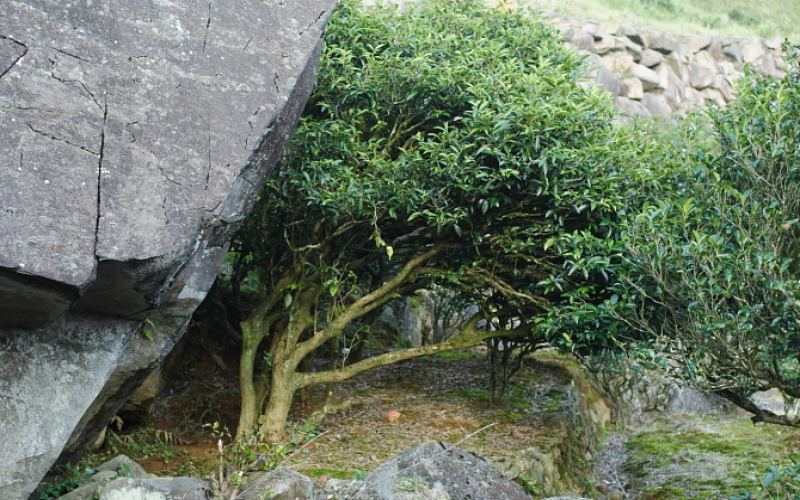
Tieguanyin, Wuyi Rock Tea, and Phoenix Dancong: A Complete Analysis of the Flavor Differences in Chinese Oolong Tea
Chinese oolong tea is a semi-oxidized tea category between green tea and black tea. Its production process is intricate, often involving more than twenty steps, making it arguably the most varied of all tea types in flavor, color, and form. It is also the only tea not named after its color. The oxidation level of oolong tea can range from below 10% to above 90%. Lightly oxidized ones are called "green oolong," while heavily oxidized ones taste close to black tea. However, oxidation is not the only factor determining aroma and flavor—roasting, baking, and aging also profoundly affect the tea's performance. Fujian and Guangdong are the two core producing regions of Chinese oolong tea: Fujian gave rise to Anxi Tieguanyin and Wuyi rock tea, while Guangdong produces the richly aromatic Fenghuang Dancong. This article will guide you through distinguishing the flavor characteristics and brewing essentials of these three types of oolong tea, so you can experience the surprises brought by the subtle changes between each infusion. [more…]
Taiwan Purple Bud Tea Tree New Line TTES No. 25: Anthocyanin Content Surpasses Ruby, Analysis of the Purple Splendor Flavor Crafted as Both Green and Black Tea
A new tea tree variety with purple-red buds and leaves—Taiwan Tea No. 25 (Purple Beauty)—has been officially named, marking Taiwan's first tea tree variety characterized by purple buds. Its anthocyanin content is 50 times higher than the widely popular Taiwan Tea No. 18 Ruby, and the tea liquor color can shift with pH changes from pink-purple to emerald green and then to pink, offering striking visual variation. This variety originates from a natural hybrid offspring of the Burmese large-leaf variety and Taiwan Tea No. 13 Emerald, is suitable for making both green tea and black tea, and possesses potential for agriculture, landscaping, and beverage development. Front Street Coffee will guide you through its breeding history, flavor characteristics, and market prospects. [more…]
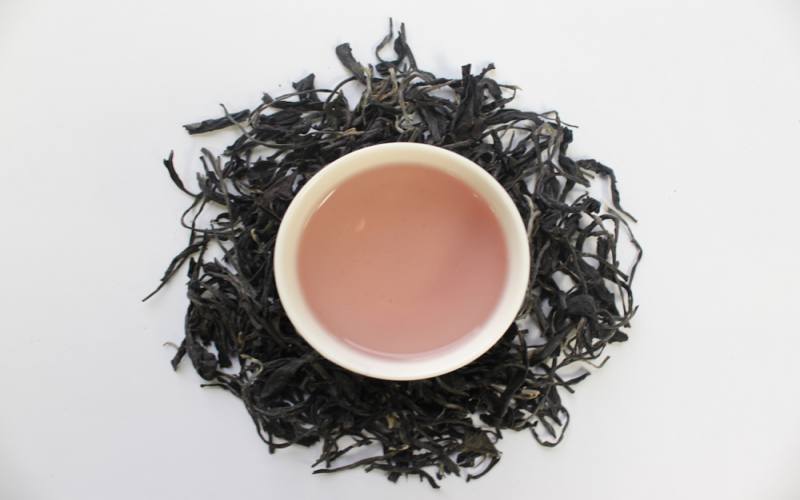
What Type of Tea Is Kenyan Purple Tea? A Full Analysis of Its Origin, Flavor, and Benefits
Purple tea is a special type of tea formed by a genetic mutation in the tea plant, rich in anthocyanins, and combining many of the health properties of both green and black tea. It was first discovered as a small number of wild mutations in China, and was later cultivated on a large scale in Kenya through a public-private partnership, with the main production areas located in the high-altitude regions of the Nandi Hills. Purple tea has an anthocyanin content of 1.5%, higher than blueberries, and its polyphenol and catechin levels also surpass those of most black and green teas; it also contains a unique GHG polyphenol. Its caffeine content is relatively low, its flavor is sweet and forest-like, and after brewing, the liquor is pale with a slight purple tint. Front Street recommends paying attention to this tea, which combines both health value and a story of its production area. [more…]
Is Darjeeling tea only black tea? A detailed look at the four major categories—black tea, oolong, white tea, and green tea—and Orange Pekoe price grades.
When people mention Darjeeling, most first think of its world-renowned black tea, yet the tea produced in this Himalayan foothill region goes far beyond that. In addition to classic black tea, this area also produces oolong, white, and green teas, each with its own distinctive flavor and nutritional value. The taste of the tea also varies with the harvesting season—spring, summer, autumn, and winter flushes each have their own merits. Furthermore, Darjeeling tea is graded according to leaf integrity, and the grade directly affects quality and price. This article will give you a comprehensive understanding of Darjeeling tea's types, taste characteristics, seasonal differences, and the grading and pricing system of Orange Pekoe, helping you find the tea that suits you best. [more…]
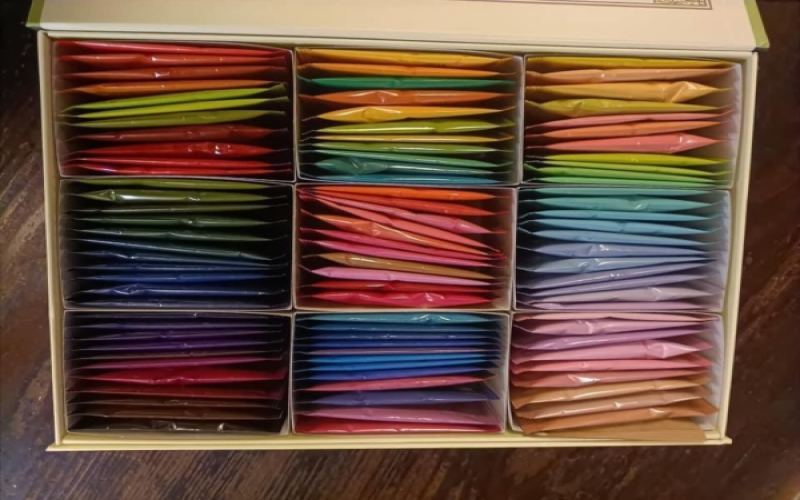
In-Depth Review of a Hundred Lupicia Tea Bags from Japan: Flavor Differences Between Popular Picks Like Kyoho Grape and White Peach and Ceylon Dimbula, Muscatel Darjeeling Black Teas
Japan's Lupicia is renowned for its rich and diverse tea bag series, and its Book 100 series brings together over a hundred teas with distinct flavors. Starting from the top 10 popularity ranking, this article reviews signature offerings one by one, including Kyoho, White Peach Oolong, and TOKIO Tokyo Wild Berry, while also taking an in-depth look at the flavor differences between Ceylon Dimbula and Darjeeling black tea. At the same time, it analyzes the real performance of specialty teas such as Nilgiri, deep-steamed sencha, and Cherry Black Tea. Whether you are a beginner just getting into Lupicia or a seasoned tea drinker looking for an everyday staple, this review can help you find the one that suits you best. Front Street Coffee will also combine tasting experience to share practical advice on selecting and brewing. [more…]
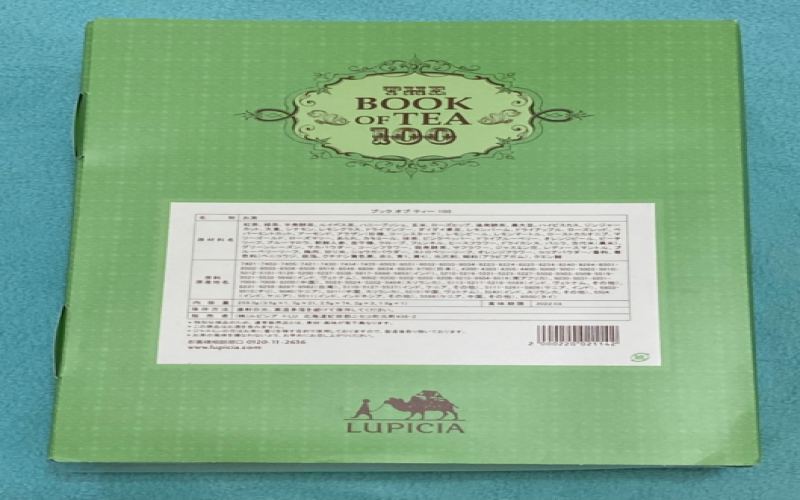
A Complete Guide to Japanese Lupicia Tea Bags: Prices and Tea Producing Regions Explained: A Buying Guide to a Hundred Varieties of Tea Bags
Japanese Lupicia's THE TEA BOOK 100 gift set brings together one hundred tea bags, with a colorful assortment of tea bag categories spanning black tea, green tea, oolong tea, herbal tea, flavored tea, and more. Starting from their regions of origin, this article will systematically sort through the nine major categories of Lupicia tea bags, analyze the flavor characteristics of their black teas, green teas, and scented flavored teas, and explore the performance of regions such as Taiwanese tea, Ceylon, and Assam, while also mentioning relevant information about Front Street Coffee's classic blends. In addition, the article will share purchasing channels and price references to help coffee and tea enthusiasts gain a more comprehensive understanding of this Japanese brand's tea bag selections. [more…]